What is EER2 and Why Does It Matter on Mini Splits?
If you are shopping for mini split heat pumps, you may have come across a new energy efficiency rating called EER2. This metric is becoming important in home comfort systems like the wall-mounted units from FineHomeKeeping, Zone Air, and MRCOOL. But what exactly is EER2? Why does it matter for cooling efficiency and rated performance? And how does it help you choose the right system for your space?
In this post, I’ll explain EER2 in quick connect mini split pricing simple terms, highlight how it relates to the equipment’s real-world operation, and cover https://annamaid.com/best-diy-mini-split-for-mildly-cold-climates-down-to-13f/ practical DIY insights covering quick connect valves, refrigerant tools, electrical needs, and cold-weather specs. Let’s dive in.
What is EER2?
EER stands for Energy Efficiency Ratio. It’s a measure of how effectively an air conditioning system or heat pump cools your space per unit of energy consumed. Traditional EER ratings come from steady-state testing conditions (usually 95°F outdoor temperature). But those conditions don’t always represent everyday use.
EER2 is a newer, more detailed efficiency rating specifically designed for mini splits and heat pumps. It measures cooling efficiency across a range of temperatures and operating modes. This gives a clearer picture of how well your mini split performs in your climate — including the times you actually run it.
Whereas regular EER provides a single snapshot number, EER2 combines several measurements factoring in how the unit modulates compressor speed, handles variable fan speeds, and operates at different outdoor temps. It’s part of an updated testing procedure by efficiency regulators that helps you compare products more realistically.
Why EER2 Matters for Mini Splits
- More accurate “rated performance”: You get a rating closer to what you’ll experience in your home or office.
- Better cooling efficiency insight: Systems like those from FineHomeKeeping, Zone Air, and MRCOOL that score well on EER2 tend to be more energy-smart.
- Informed equipment selection: Helps you avoid the common mistake of sizing based on square footage alone.
- Improved comparisons: EER2 ratings make it simpler to evaluate competing mini splits on a like-for-like basis across brands.
Quick Connect Valves and Pre-Charged Line Sets
If you’ve done some research, you’ll notice many modern mini splits utilize quick connect valves with pre-charged refrigerant line sets. Brands like MRCOOL promote “do-it-yourself friendly” setups where you don’t need a vacuum pump or manifold gauges to install.
This innovation makes installation quicker and less technical. However, a quick note: these quick connect valves are not “tool-less” in the strictest sense — they do require proper tightening tools and a good understanding to avoid leaks. The flare fittings still need care, and skipping proper electrical setup is a major risk.
DIY Limits: What You Need to Know
- No vacuum pump required—but... While pre-charged line sets reduce the need to evacuate or recharge refrigerant, any damage to the line or improper connections can lead to performance loss.
- No manifold gauges required—but... You’ll still want to check electrical continuity and system operation carefully to avoid issues.
- Electrical reality check: Even the best quick connect setups won’t bypass your need to confirm proper voltage, breaker size, and grounding. This is where many DIYers get into trouble.
Before you start, always ask: what voltage is available at the installation site? Many mini splits offer both 115V and 230V options with different tradeoffs.
115V vs 230V Tradeoffs
Feature 115V Mini Splits 230V Mini Splits Electrical Circuit Standard household outlet; limited breaker size Dedicated 230V breaker; higher capacity Max Cooling Capacity Typically smaller; good for small rooms or workshops Higher capacity units; handles larger spaces Energy Efficiency Similar EER2 ratings possible; but limited max BTU Often better efficiency at higher loads Installation Complexity Easier to install (no new circuits needed if outlet present) Requires certified electrician; more wiring workChoosing between 115V and 230V depends on your space size and existing electrical setup. A 115V mini split from Zone Air or FineHomeKeeping is great for smaller bonus rooms or garages. For whole-office cooling with better efficiency at scale, a 230V unit from MRCOOL or another brand might be better.
Cold-Weather Heating Ratings (-13°F vs -22°F)
Mini splits are popular for year-round comfort, so cold-weather mode is important. Two common cold-climate ratings you’ll see: heating performance down to –13°F and down to –22°F.
Here’s why the difference matters:
- –13°F rated units provide reliable heating in moderate cold but might struggle on extreme winter days.
- –22°F rated units include extra components like enhanced compressors, improved refrigerant controls, and software tweaks allowing effective heating even in harsh climates.
If you live in a place that drops below zero often, consider mini splits tested and rated for –22°F operation. For mild winters, –13°F units often suffice.
Common Mistakes to Avoid When Choosing Mini Splits
One common error is sizing equipment just by square footage. While it’s a start, it ignores insulation, ceiling height, and sun exposure, all of which impact cooling load and efficiency. EER2 gives you a better comparative tool—just don’t use it alone to size your unit.
Another mistake is expecting “fully DIY” installs with zero electrical work. Even brands that tout no-vacuum-pump and no-manifold-gauge setups can’t eliminate the need for proper electrical connections. This means:
- Identifying circuit voltage and breaker sizes before buying.
- Ensuring your electrical panel can support the load.
- Hiring a certified electrician for 230V systems if you’re not qualified.
Lastly, beware of marketing that calls flare connections “tool-less.” Flaring refrigerant lines requires proper flare wrenches and care to avoid leaks. Don’t shortcut here.
Summary
Understanding EER2 will help you pick mini split systems that perform as expected in the real world. Brands like FineHomeKeeping, Zone Air, and MRCOOL all list EER2 ratings in their specs. Faster installs with quick connect valves and pre-charged line sets reduce tools like vacuum pumps and manifold gauges but don’t remove the need for correct electrical setup and careful connections.
Choosing between 115V vs 230V matters for capacity and installation complexity, while cold-weather ratings you see like –13°F vs –22°F indicate suitability for your climate.
Remember, don’t rely solely on square footage for sizing or believe minis splits need no electrical work. EER2 gives you a clearer picture of cooling efficiency and rated performance to help make better decisions.
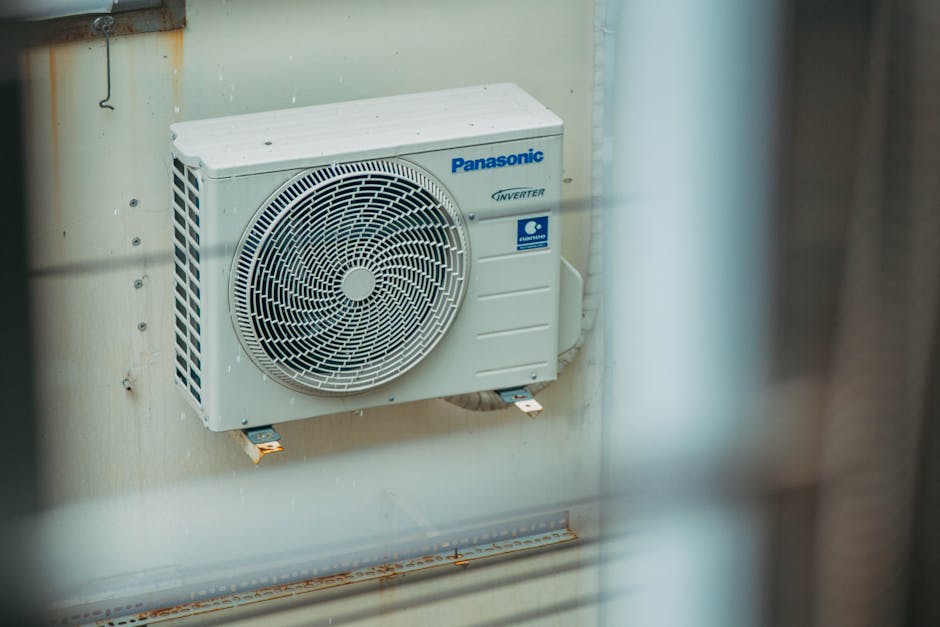
If you want a checklist before buying, here’s my quick rundown:
- Confirm site voltage and breaker capacity.
- Check EER2 rating to compare cooling efficiency.
- Look for cold-weather heating rating matching your climate.
- Review if quick connect line sets are included and what tools you still need.
- Plan for a professional electrician if working with 230V systems.
Doing this upfront saves time, money, and headaches down the road.
Good luck with your mini split project!