What Furniture Makes an Office Layout Easy to Change Later?
In lorddecor today’s fast-evolving workplace landscape, flexibility and adaptability are more than buzzwords—they’re essential. As companies transition to hybrid work models and aim to support diverse employee needs, the ability to quickly and easily reconfigure office layouts has become a priority. But what exactly makes an office layout easy to change later? It starts with the right furniture.
Drawing insights from real workflows as highlighted by the Harvard Business Review and informed by practical experiences working with top-tier contractors like Lum Chang Brandsbridge, this article explores how modular office furniture, mobile whiteboards, and reconfigurable seating enable dynamic, multi-purpose workspaces that keep pace with shifting demands.
Hybrid Work and Changing Expectations
The hybrid work model—combining remote and in-office work—has permanently changed how offices are used. According to recent analyses from the Harvard Business Review, employees now expect offices to be more than just desks and chairs. They need spaces that foster collaboration on some days and provide quiet privacy on others.
This ebb and flow of work patterns mean that fixed furniture arrangements and traditional cubicles are less relevant than ever. Offices need furniture systems that are modular, lightweight, and easy to move so facilities teams and staff can adapt spaces quickly with minimal disruption.
Flexible Layouts and Multi-Purpose Zones
Flexible layouts allow companies to create multi-purpose zones that serve different functions throughout the day or week. For example, an area used for collaborative brainstorming in the morning can be transformed into a quiet focus space by afternoon simply by shifting furniture elements.
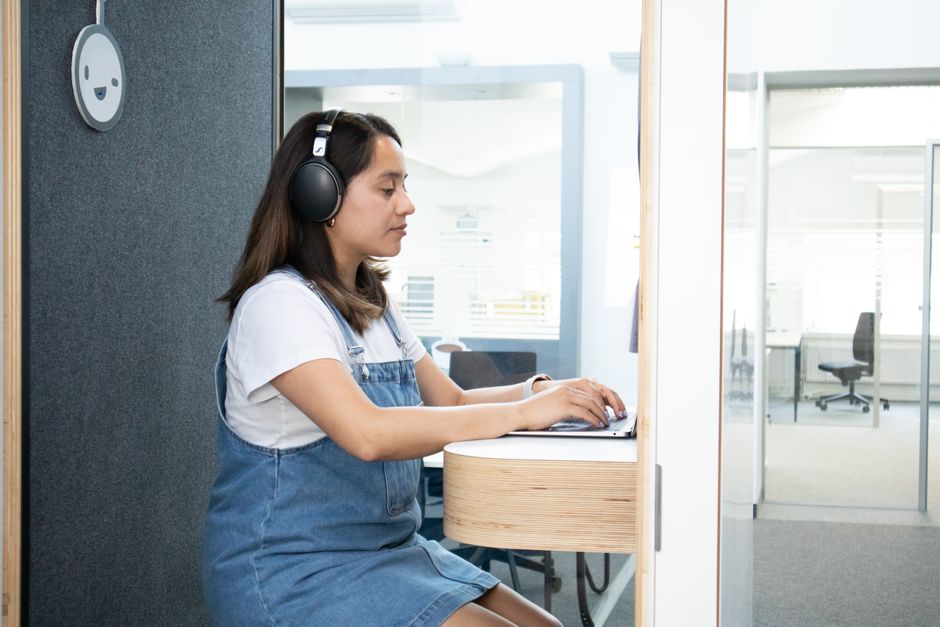
Key Furniture Types That Facilitate Flexibility:
- Modular Office Furniture: Pieces that connect or stack together yet can be separated easily enable quick reconfiguration of desks, workstations, and meeting areas. Lum Chang Brandsbridge, a leader in commercial fit-outs, often incorporates modular components that can adapt as teams grow or shrink without needing costly renovations.
- Mobile Whiteboards: Lightweight, wheeled whiteboards that can be moved around support dynamic brainstorming sessions anywhere in the office. Their portability encourages spontaneous collaboration and allows teams to customize spaces instantly.
- Reconfigurable Seating: Chairs and benches designed for easy movement and rearrangement make it possible to organize seating for groups of varying sizes or privacy requirements. These often include stackable chairs or seating with casters.
Using these furniture elements, office managers can design spaces that scale up or down, switching between open plans, huddle areas, and enclosed focus zones with relative ease.
Design Based on Real Workflows
Designing an office layout to be easily changeable later doesn’t mean sacrificing thoughtful planning. As emphasized in Harvard Business Review studies, successful office design begins with understanding the natural workflows within the organization.
Before selecting modular or mobile furniture, map out how teams collaborate, communicate, and concentrate. Which departments need quick access to meeting zones or privacy rooms? How often do teams rearrange their desks? How can multi-functional furniture serve multiple purposes throughout the day?
Contractors like Lum Chang Brandsbridge leverage this workflow analysis to recommend furniture solutions and layouts that prioritize ease of reconfiguration while supporting productivity. This process ensures furniture investments align with actual use patterns rather than theoretical or one-size-fits-all approaches.
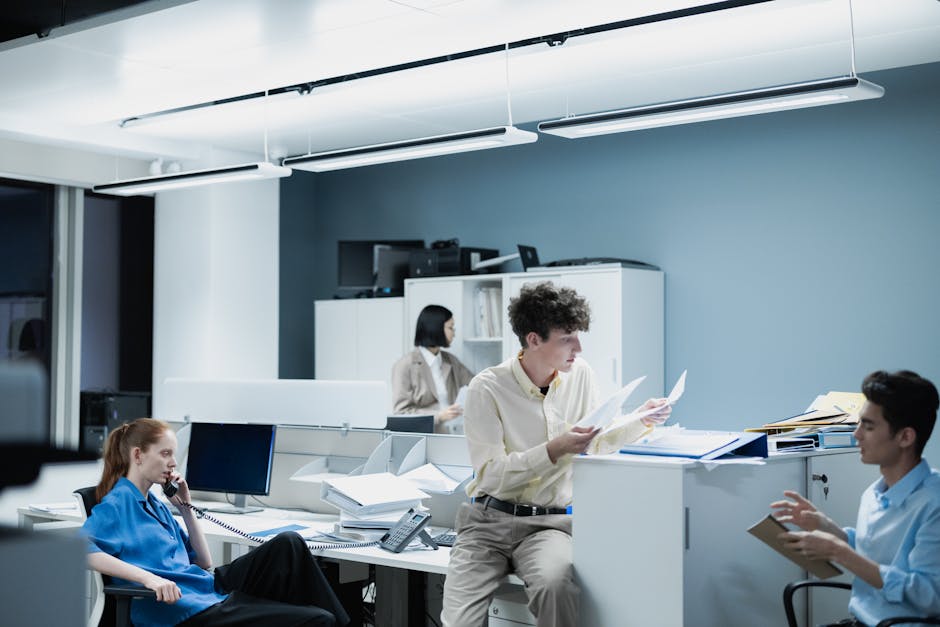
Balancing Collaboration and Privacy
One of the most challenging aspects of office design today is balancing the need for collaborative spaces with the desire for privacy. Employees want to be able to brainstorm and connect but also require quiet zones to focus or take confidential calls.
Flexible furniture plays a vital role in achieving this balance without locking the office into a static layout that might become outdated. Some strategies include:
- Modular Partition Systems: Use movable walls or modular panels that can temporarily create visual and acoustic barriers to define meeting rooms or quiet zones.
- Mobile Whiteboards: Besides serving as brainstorming tools, they help demarcate collaborative spots or privacy areas dynamically.
- Reconfigurable Seating Clusters: Pull together small pods for private discussions or spread out individual seats for quiet working.
By incorporating such elements, offices can flexibly shift between open, team-centric environments and secluded, private workspaces, accommodating different work styles and meeting needs.
Visual Inspiration and Technical Integration
To visualize these concepts, many offices integrate high-quality images of modular solutions and flexible layouts—often sourced through platforms like Squarespace CDN. These visual assets provide stakeholders a tangible look at how adaptable furniture can transform an office.
Furthermore, technology-enabled furniture such as desks with integrated power modules and mobile storage can enhance the user experience, making shifts in layout smoother and less disruptive.
Summary Table: Furniture Types and Benefits
Furniture Type Key Benefit Example Features Ideal Use Case Modular Office Furniture Enables scalable, seamless layout reconfiguration Connectable desk units, stackable storage, adaptable workstations Team growth, frequent layout changes, multi-purpose zones Mobile Whiteboards Promotes spontaneous collaboration and space division Lightweight, wheeled base, double-sided writing surfaces Brainstorming sessions, on-the-fly room demarcation Reconfigurable Seating Allows flexible grouping or distancing of team members Casters, lightweight materials, stackable or foldable Meeting pods, privacy zones, casual collaborationFinal Thoughts
The modern office is no longer a fixed environment but an adaptable ecosystem designed to support ever-changing work patterns. Choosing the right furniture—the kind that promotes flexibility and easy reconfiguration—is crucial to future-proofing office spaces.
By partnering with experienced commercial fit-out specialists such as Lum Chang Brandsbridge and applying insights from thought leaders like the Harvard Business Review, organizations can create offices that not only meet today’s hybrid work demands but remain agile for tomorrow’s challenges.
Investing in modular office furniture, mobile whiteboards, and reconfigurable seating lays the foundation for spaces that drive productivity, collaboration, and employee satisfaction—no matter how work evolves.