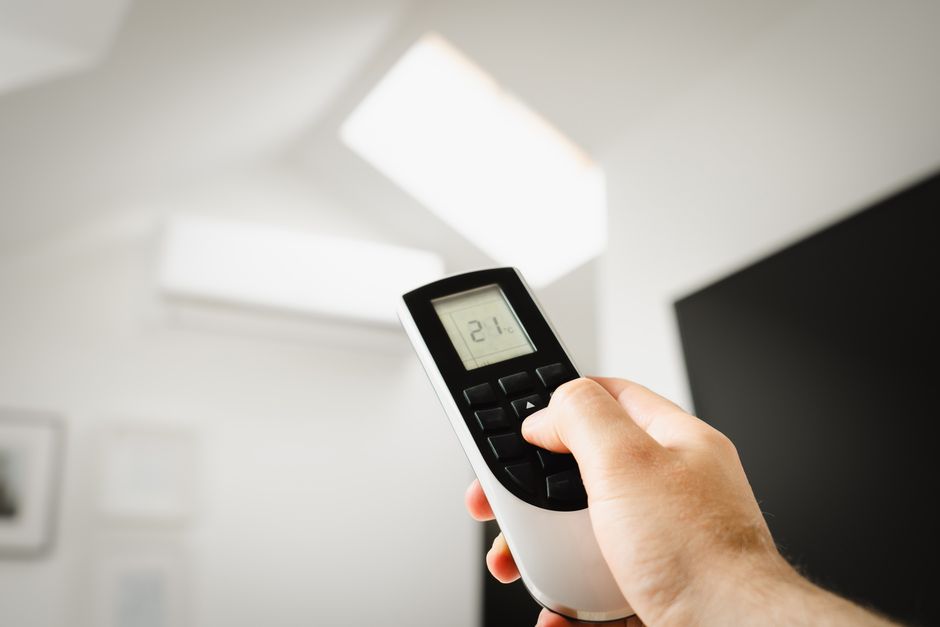
What Does HSPF2 Mean and Why Should I Care If I Want Heat?
If you're shopping for a heat pump—especially a mini split system—you’ve probably bumped into acronyms like SEER2 and HSPF2. While SEER (Seasonal Energy Efficiency Ratio) is all about cooling efficiency, the HSPF (Heating Seasonal Performance Factor) measures heating efficiency. And come 2026, both are getting an upgrade to SEER2 and HSPF2 due to new Helpful site Department of Energy standards.
This might sound like technical jargon better left to HVAC pros, but if you want to heat your home efficiently, understand how cold-weather performance varies across models, or decide between a true DIY vs semi-DIY system, knowing what HSPF2 means is a must.
What Exactly Is HSPF2?
You ever wonder why the hspf2 rating is a new, updated metric for measuring how efficiently a heat pump provides heat over an entire heating season. It’s replacing the traditional HSPF because of an industry-wide transition to new refrigerants (like R-454B) and updated testing procedures that better reflect real-world performance—especially in cold climates.
What Changed from HSPF to HSPF2?
- Testing standards: HSPF2 uses updated DOE testing that accounts for wider temperature ranges and better reflects how heat pumps perform during fluctuating cold-weather conditions.
- Refrigerant transition: Most new heat pumps are moving from R-410A to R-454B refrigerant, which has a lower global warming potential but differs in pressure and thermodynamic properties, affecting efficiency and component design.
- Standardization for consumers: Instead of confusing marketing claims, the HSPF2 is tied to stricter, consistent lab-tested results that help you compare apples to apples when looking at heating efficiency.
In short, an HSPF2 of 10 means the unit is that efficient during the heating season under updated conditions—not under outdated, idealized lab tests.
Why Should You Care About HSPF2 If You Want Heat?
When it comes to heating, especially in colder climates or during chilly nights, you want a heat pump that:
- Delivers reliable warmth without excessive electricity use.
- Performs well at low outdoor temperatures.
- Has a rating that reflects realistic, not idealized, efficiency.
One client recently told me was shocked by the final bill.. HSPF2 directly influences your heating efficiency and therefore your utility bills and carbon footprint. A better HSPF2 rating means more heat output for every kWh you consume.
Plus, as manufacturers like Zone Air, MrCool, and Pioneer release updated models in 2024–2026, make sure you're looking at the new rating. For example, if you’re eyeing a Zone Air 12,000 BTU 230V wall-mounted system at about $2,049-$2,599, check that it includes the HSPF2 rating to understand its real heating capabilities.
True DIY vs Semi-DIY Mini Splits: What’s the Difference?
If you're a hands-on homeowner, the distinction between true DIY and semi-DIY heat pump systems is critical:
- True DIY: Typically utilizes pre-charged, quick-connect refrigerant line sets that allow you to mount and hook up the system without specialized HVAC tools or professional help. The refrigerant is factory-sealed, so connecting the indoor and outdoor units doesn’t require evacuating air or recharging refrigerant.
- Semi-DIY: Requires more technical expertise—such as brazing, vacuum pumping, and refrigerant charging. These units come with bare copper lines. You’ll need tools like a vacuum pump and manifold gauges to evacuate air and moisture before releasing refrigerant into the system.
Why Does This Matter for Heating Efficiency?
Improper refrigerant handling kills heat pump efficiency and warranty coverage. Many newcomers are surprised when their “DIY” mini split still needs a vacuum pump and manifold gauges for a proper install.
Brands like MrCool have championed the true DIY model with quick-connects, while Pioneer and some Zone Air units tend to require HVAC-grade installation practices, making them semi-DIY at best.
If you want a system with maximum heating efficiency (and no costly callbacks due to errors in refrigerant handling), match your skill level and required tools to the mini split design.
Don’t Ignore Electrical and Refrigerant Changes in 2026
Alongside the shift to SEER2 and HSPF2 ratings, 2026 brings a change in refrigerants. The industry is transitioning to R-454B from the older R-410A, because of tighter environmental regulations.
- R-454B refrigerant operates at different pressures and requires components (compressors, expansion valves) specifically designed for it.
- This means your choice of mini split system impacts both initial costs and long-term maintenance.
- Check the refrigerant type when buying a system; you’ll also need tools designed to handle R-454B's properties if you plan repairs or servicing.
For DIYers, this means:
- Do not try to retrofit older systems with R-454B refrigerant.
- Make sure any semi-DIY installation includes proper vacuum pumping with a vacuum pump and refrigerant level checking with manifold gauges.
- Check your warranty and service documentation for refrigerant compatibility and installation requirements.
Comparing Upfront Cost, Efficiency & Tools: A Quick Glance
Brand / Model BTU / Voltage Price Range DIY Level Refrigerant Heating Efficiency (HSPF2) Tools Needed for Installation Zone Air Wall-Mounted 12,000 BTU / 230V $2,049 - $2,599 Semi-DIY R-454B 10+ (varies by model) Vacuum pump, manifold gauges, brazing kit MrCool DIY Series 9,000-12,000 BTU / 115V-230V $1,089 - $1,499 True DIY (Pre-charged quick-connect) R-410A (older), some newer with R-454B 9-10 (varies) No vacuum pump needed for quick-connects Pioneer Mini Split 9,000-18,000 BTU / 115V-230V $1,199 - $2,099 Semi-DIY R-454B (newer models) 9-10+ Vacuum pump, manifold gaugesBottom Line: How to Use HSPF2 for Smarter Heat Pump Buying
- Check the rating on the spec sheet: Make sure the HSPF2 is listed—not just the old HSPF or vague “up to SEER” marketing claims.
- Match your installation skills to the DIY level: If you don’t want to buy or rent a vacuum pump and manifold gauges, stick to true DIY models like MrCool with pre-charged line sets.
- Consider your climate: If you live somewhere cold, prioritize a higher HSPF2 and a proven reputation for cold weather performance.
- Be aware of refrigerant compatibility: Don't install systems with incompatible refrigerants, and follow manufacturer installation guidelines carefully for heating efficiency and warranty.
Heating technology is evolving, but so are the standards for testing and rating. Learning what HSPF2 means now can mini split labor cost save you frustration (and money) on bills and repairs later, ensuring you stay warm efficiently through the cold months.
Happy heating!