Mirror Lighting That Runs Through the Mirror Face: Is It Hard to Live With?
In recent years, LED mirrors have become a cornerstone of contemporary bathroom design, replacing traditional vanity light bars and sconces with sleek, integrated lighting solutions. A growing trend within this category is mirrors featuring light lines in the mirror face—thin, illuminated strips embedded directly into the glass. These illuminated bathroom mirrors offer a futuristic look and practical benefits, but many homeowners ask: how does living with this mirror design pattern really feel?
Drawing on expert insights and real-world feedback, this article explores the pros and cons of lighting that runs through the mirror face, compares different LED mirror lighting styles, and highlights key considerations for integrating these designs into your bathroom.
LED Mirrors: The New Standard for Bathroom Vanity Lighting
Gone are the days when a simple bar light above the mirror was the prime solution for bathroom illumination. As Homedit and other design authorities have documented, LED mirrors now replace traditional sconces and bars for many reasons:
- They provide direct, even, shadow-free light exactly where you need it—on your face.
- The integrated design cuts clutter and visual distractions around the vanity area.
- They often come with customizable color temperatures and dimming capabilities.
Among LED mirrors, homedit one standout style is the in-glass or through-glass light lines. Instead of placing LEDs around the edge or behind the mirror, here the light travels inside the glass panels themselves. This contemporary approach creates a unique mirror design pattern that’s both functional and artistic.
Backlighting vs. Edge Lighting vs. In-Glass Light Lines
To understand what makes the through-mirror light lines different—and sometimes challenging to live with—it helps to compare the three main LED lighting approaches:
Lighting Style Description Wall Impact Pros Cons Backlighting LED strips placed behind the mirror, causing a soft halo glow around its edges. Light gently washes the wall surface creating a subtle ambient effect. Soft, indirect light; cozy atmosphere; hides wiring. Less direct lighting on face; depends heavily on wall surface and color. Edge Lighting Light travels along the mirror’s edges, illuminating the perimeter brightly. Sharp glow lines on wall or tile edges where mirror meets surface. Clean, minimalist look; enhances mirror shape; good for shadows. Strong directional light can create glare; edges may appear overly bright. In-Glass Light Lines LEDs embedded within the mirror glass itself, forming illuminated patterns. Sharp light lines that interact dynamically with mirror glass and wall behind. High style; unique design pattern; excellent face illumination. Light lines can feel harsh or distracting; stone veining or tile patterns may clash.The Wall Surface Makes All the Difference
One of the biggest factors that determine how pleasant or harsh integrated mirror lighting feels is the bathroom wall finish. A principle I always call out is that lighting isn’t isolated; it plays off the wall's surface texture and color:
- Paint: Smooth painted walls usually allow the light to wash gently and evenly. Warmer shades can soften cool LED tones, while pure white walls reflect light brightly but risk creating glare if the lighting is too intense.
- Tile: Glossy ceramic or porcelain tiles bounce light sharply, often intensifying the brightness of edge or in-glass light lines. Matte or textured tiles diffuse the effect, reducing visual strain.
- Wood: Wood’s natural warmth absorbs and softens light, helping to mellow harsh bright lines. However, wood grain patterns can sometimes compete visually with the mirror’s light lines, needing careful coordination.
- Stone: Marble, granite, or veined stones add complexity. Busy veining can clash heavily with light lines running through the mirror face—something that is less noticeable with backlighting or simple edge lighting.
For this reason, when integrating light lines inside the mirror, designers and homeowners need to harmonize the mirror design pattern with the wall surface. Otherwise, what looks striking in product photos—often with flat, neutral backgrounds—may feel visually harsh and overly busy in real life.
Living with Light Lines in the Mirror: Real-World Perspectives
Thanks to social platforms like Twitter and Facebook, many homeowners share candid reviews and photos from their bathrooms fitted with light line mirrors. What emerges is a mixed but generally positive sentiment, with key practical notes:
- Brightness and Glare: Some users find the in-glass light lines intensely bright, especially in smaller bathrooms with reflective surfaces. Adjustable dimming and color temperature help mitigate this.
- Cleaning Challenges: While the mirror surface is easy to wipe clean, fingerprints or smudges on or near the light lines can be more noticeable due to the contrast.
- Nighttime Use: The light lines provide excellent night lighting that is much gentler than a full ceiling fixture, making midnight trips easier.
- Design Statement: Many appreciate the futuristic aesthetic and the way the mirror becomes a focal point rather than just a functional element.
Customers of LED Mirror World, a UK-based specialist supplier, frequently report that the key to happiness with these mirror design patterns lies in customization and installation height. Properly placed, the mirror’s light lines illuminate the face naturally without casting harsh shadows or bleeding excessively onto surrounding materials.
Long Vanity Layouts and Multiple Mirrors: What to Consider
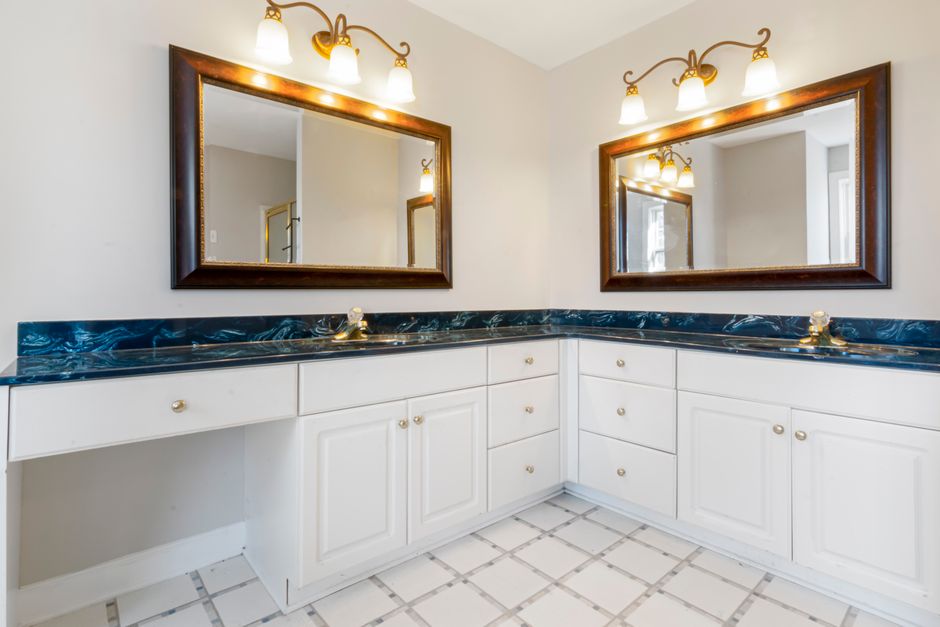
With bigger bathrooms and long vanities, multiple LED mirrors with integrated light lines are becoming trendy. This approach can maintain consistent lighting along an extended countertop while avoiding the uneven shadows often caused by scattered sconces.
However, when using several mirrors side by side, designers must consider:
- Consistent Light Temperature: Ensure all mirrors have matching LED color temperatures for a unified look.
- Pattern Alignment: Some manufacturers offer mirrored light line patterns that can be synchronized or offset to serve as a design feature rather than a distraction.
- Wall Material Continuity: Since light washing onto the wall is part of the ambiance, using the same materials throughout helps prevent jarring transitions between mirror zones.
In such layouts, simple rectangular mirrors with thoughtfully designed light lines often provide the best canvas—the lighting does the heavy lifting without competing elements.
Final Thoughts: Is Living with Light Lines Through the Mirror Face Hard?
Ultimately, light lines in mirror faces transform ordinary bathroom mirrors into illuminated bathroom mirrors that are both functional and stylish—yet they require careful consideration to live with comfortably. The balance between aesthetics and usability hinges on:

- Wall Surface: Understanding how your paint, tile, wood, or stone will interact with the light.
- Design Simplicity: Choosing mirror designs that complement your space without overcomplicating glare or contrast.
- Customization & Control: Selecting mirrors with adjustable brightness and temperatures to tune the ambiance.
- Installation Height & Placement: Avoiding glare on your eyes or shadows on your face by positioning mirrors correctly.
For design inspiration and product sourcing, trusted communities and suppliers like Homedit and LED Mirror World offer extensive galleries and detailed product information. To get a broad sense of customer experiences, exploring conversations on Twitter and Facebook is invaluable.
In short, if you value minimalist, sleek bathroom design and are mindful of lighting’s interaction with your surroundings, mirrors with integrated light lines aren’t hard to live with—they can genuinely elevate your daily routine.