Is a 28 Inch Desk Height Too Tall for Me? A Guide to Ergonomic Workstation Setup
When setting up the perfect workspace, one key question often arises: is a 28 inch desk height too tall for me? The answer depends on various factors, including your body dimensions, equipment size, and overall room layout. As a former office furniture showroom fitter, I've spent nearly a decade measuring rooms, desks, and workstation setups. Let me take you through a thorough process to determine if this 28-inch desk height will work for you — or if you’ll need to make adjustments.
Why Desk Height Matters for Ergonomics
The Occupational Safety and Health Administration (OSHA) has clear guidelines for ergonomic workstation setups. An ill-fitting desk can cause strain on your wrists, shoulders, neck, and back. While 28 inches might sound like a standard desk height, it isn’t a one-size-fits-all solution.
Proper desk height should allow you to:
- Sit with your feet flat on the floor or on a footrest
- Keep elbows close to your body at roughly a 90-degree angle
- Maintain your wrists in a neutral position while typing
- Have your computer monitor positioned at eye level without straining your neck
Step 1: Measure Your Floor Space and Obstacles First
Before deciding on your desk height, use a tape measure to size up your room. Sketch a simple floor plan to account for the following:
- Room dimensions and shape, including door swings and clearance around entry points.
- Existing electrical outlets. I always check outlet placement before recommending a desk setup because plugging in your computer and accessories affects desk positioning.
- Other furniture or multipurpose areas nearby, like a couch or bookshelf.
- Circulation space — will you have enough room to move your chair back without being cramped?
This planning stage saves you from buying a desk that fits the room but forces your chair to block doorways or leaves no leg clearance.
Step 2: Match Your Desk Size to Your Equipment and Activity
Besides height, your desk dimensions are critical. If you spend long hours working with dual monitors or large drawing pads, the desk surface must be wide and deep enough to accommodate them without clutter.
Consider the primary tasks you'll perform:
- Typing and computer work: A 28 inch desk height can work well if paired with an adjustable chair. Your keyboard and mouse should sit comfortably without reaching or hunching.
- Gaming or online activities: This is where setups like at mrq.com come in handy — gamers need large surfaces and monitor setups positioned to avoid glare and maximize comfort.
- Creative work (drawing, writing): You might prefer an angled surface or adjustable-height desks to switch between sitting and standing.
Step 3: Chair Clearance Is the Make-or-Break Measurement
One pet desk lamp for gaming setup peeve of mine is seeing desks placed with no chair pull-back space. After measuring your planned desk area, make sure there's at least 18-24 inches behind your chair for easy movement. An adjustable chair height is crucial so you can fine-tune your seat to match your 28-inch desk height.
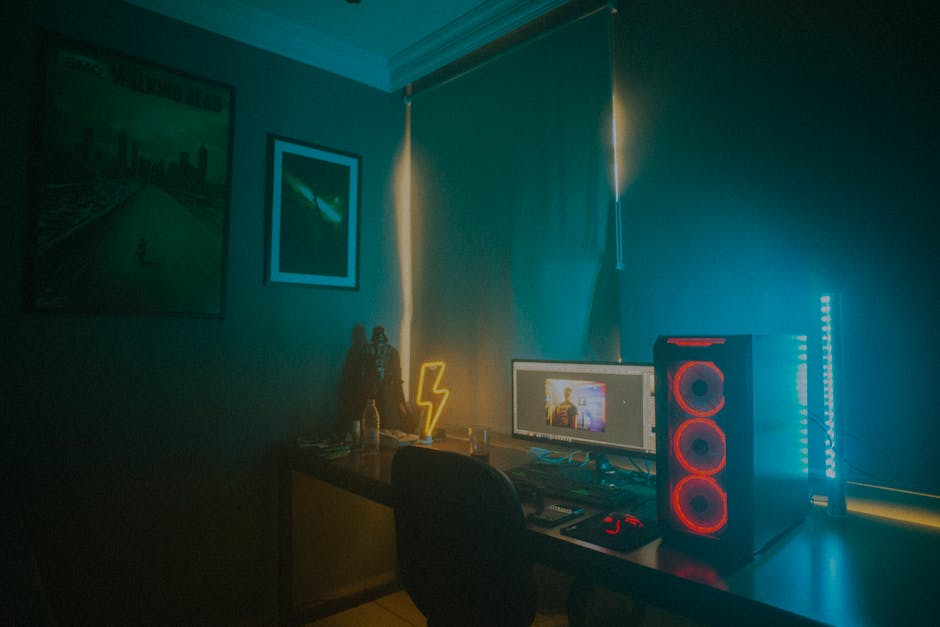
How to check clearance:
- Measure your chair's seat height range.
- Measure the distance from the floor to your desk’s under-surface.
- Test by sitting and pulling the chair under the desk, ensuring your knees fit comfortably without scraping the desk frame.
- Pull your chair back fully to confirm you have enough clearance to stand up without hitting walls, door jambs, or other obstacles.
Step 4: Consider Monitor Size Versus Real Width and Height
A common mistake is buying big monitors without considering the space they take up vertically and horizontally. For instance, a 27-inch diagonal monitor often is about 25 inches wide and 14-15 inches tall.
Why does this matter for a 28-inch desk height? Because your monitor’s height affects where you position the screen relative to your eye level. The top of the monitor should be roughly at or just below your eye height when sitting upright.
Use your tape measure to verify:
- Monitor display width: will it comfortably fit on your desk surface?
- Monitor height including the stand: does it allow proper ergonomic positioning? If not, consider monitors with adjustable stands or monitor arms.
- Depth of the desk. Deep desks create better distance between you and the screen, reducing eye strain.
Is 28 Inches an Ergonomic Desk Height?
Desk Height Suggested User Height Range Notes 28 inches (71 cm) Average height 5’4” to 5’9” (163 - 175 cm) Can work well with adjustable chair and footrest 29 - 30 inches Users 5’10” and taller Better suited for taller users, often found in standing desks as well 25 - 27 inches Users below 5’4” Shorter users may struggle to keep elbows at 90 degrees at 28 inchesSo, a 28-inch desk height is not automatically too tall, but you need to factor in:
- Your seated elbow height with an adjustable chair height.
- Whether you have wrist support accessories like an ergonomic keyboard tray.
- If you need a footrest to keep feet supported if the chair height increases to fit the desk.
- Overall room and desk clearance as per your simple floor plan sketch.
Final Recommendations for Your Ergonomic Workstation Setup
- Measure Yourself and Your Space: Use a tape measure to record your seated elbow height and compare it to the desk height. Sketch your space carefully, accounting for door swings, outlets, and chair clearance.
- Choose an Adjustable Chair: A chair with adjustable height and lumbar support lets you dial in the perfect fit for a 28-inch desk.
- Mind Monitor Placement: Your monitor should be the right size and height so your neck stays neutral.
- Avoid Clutter and Crowding: Don’t block door swings or restrict movement around your desk. This reduces fatigue and frustration.
- Test First: If possible, sit at a 28-inch desk before purchasing. Bring your tape measure and check your comfort.
- Upgrade as Needed: Sometimes a keyboard tray or monitor arm can completely transform an awkward desk height into a comfortable ergonomic setup.
Remember, an ergonomic workstation is about finding the right balance for your body, tools, and space. Don’t just accept a desk height because it's "standard." Take the time to measure and adapt to your needs, and your back and wrists will thank you in the long run.
Need more inspiration on perfect workstation setups or office ergonomics? Stay tuned for upcoming blog posts covering standing desks, lighting, and even gaming desk layouts inspired by platforms like mrq.com.
