I Need a Room That Can Be Dark at Any Hour – What Should I Focus On?
Creating a room that can become truly dark at any hour is a dream for many, whether you work night shifts, suffer from light sensitivity, or simply want a sanctuary for restful sleep. But beyond just blocking out light, there are several often overlooked factors that contribute to a quiet, comfortable, and healthy dark room setup. As a former facilities coordinator turned residential renovation writer, I've spent years translating building science and health guidance into plain-English home advice. Let me guide you through the essential elements to consider — from air quality and ventilation to lighting design — so your room doesn’t just get dark but also stays healthy and peaceful.
Start With What You Can Measure: Humidity, Temperature & Noise
Before making any changes, it’s smart to understand your room’s current state. I always recommend measuring:
- Humidity levels: Ideally between 40-60% for comfort and to prevent mould.
- Temperature: Cooler for sleeping, roughly 16-19°C.
- Noise levels: Aim for a quiet environment below 30 decibels.
Simple digital hygrometers, thermometers, and sound meters can help here. Knowing these baseline factors will help you address issues more effectively.
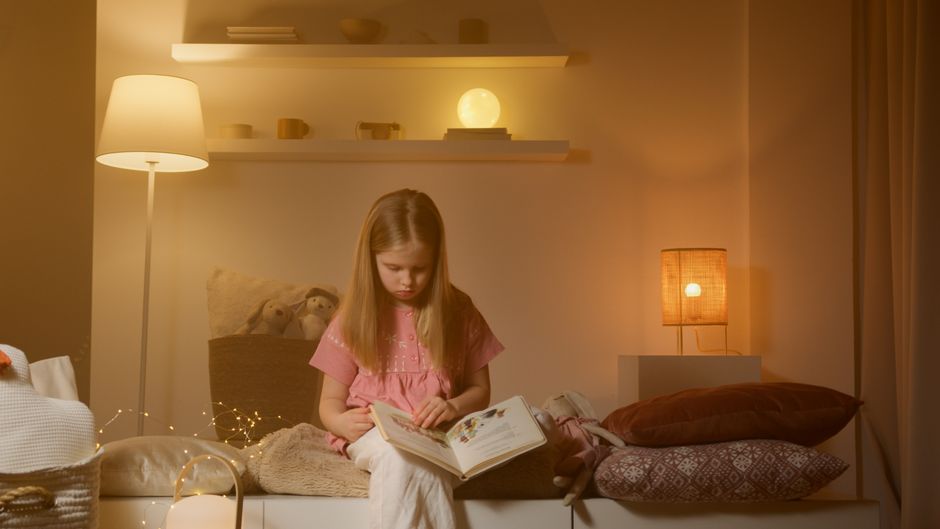
Air Quality and Ventilation: Why It Matters in a Dark Room
It might seem counterintuitive, but focusing on ventilation is crucial even when you want a room that stays dark and closed off. A dark, tightly sealed room can easily become stuffy, damp, and rife with poor air quality, which can lead to health risks like respiratory issues or worsening allergies.
Damp and Mould: The Invisible Trouble
Dampness is often hidden and won’t be noticed until it’s serious, manifesting as mould patches or a musty smell. Mould is not just unsightly but a significant health risk, especially in bedrooms. It can trigger asthma, allergic reactions, and respiratory infections.. Exactly.
The good news? There are small fixes that actually work:
- Use extractor fans in adjacent bathrooms or kitchens to reduce excess moisture that travels under doors.
- Keep humidity in check with a dehumidifier or by briefly airing the room during the day when you can tolerate some light.
- Avoid placing furniture directly against cold walls to prevent condensation buildup.
Correct ventilation planning is essential, but here’s a common mistake: many people install fans that are too noisy to use regularly, defeating their purpose. Opt for ultra-quiet extractor fans — yes, they exist! — or mechanical ventilation with heat recovery (MVHR) when feasible to maintain fresh air without noise disturbances.
Common Ventilation Installation Mistakes
- Installing fans without sound-proofing ducts, causing noise leakage.
- Not connecting fans to separate circuits or timers, so they run continuously even when ventilation isn’t needed.
- Ignoring draft-proofing areas around windows and doors, which undermines the ventilation system.
Balancing ventilation with a blackout environment requires smart design.
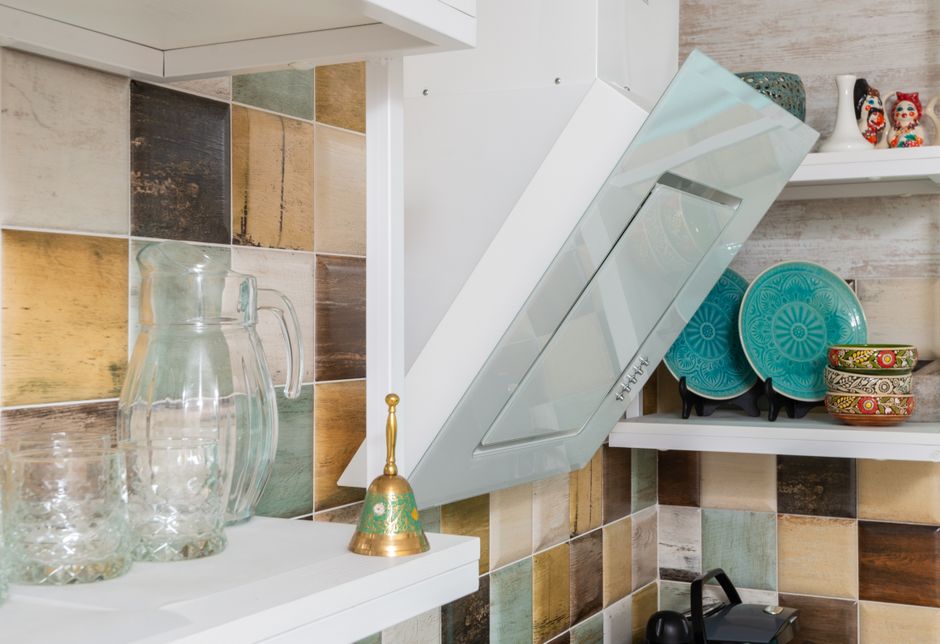
Blackout Edge Gaps – The Key to True Darkness
Most “blackout curtains” you see suffer from light leaking around the edges — a dealbreaker for nightshift workers or anyone seeking total darkness. Manufacturers often don’t address these blackout edge gaps, leaving a thin rim of light that ruins the effect.
Here’s what you can do instead:
- Choose furniture and accessories that aid blackout, like Utology in Birkenhead, a trusted furniture & accessories company with a 5-star rating. Their specialist blackout curtain tracks and room-darkening blinds can be tailored to minimise edge leaks.
- Install curtain pelmets or add magnetic side strips to curtains to block light gaps.
- Consider layering: combine blinds with blackout curtains for added density.
Layered Lighting on Separate Circuits: Control and Comfort
Lighting matters as much as darkness in your room. A setup that allows you to switch between different light layers smoothly will help your circadian rhythm and overall wellbeing.
Well-designed layered lighting means:
- General overhead lights on one circuit for ambient lighting.
- Task or reading lights on separate circuits or dimmer switches to tailor brightness.
- Accent or mood lighting with warmer tones for evenings.
This flexibility lets you recreate natural light cycles indoors: cool, bright light in the mornings to help wake up, and warm, dim https://www.homify.co.uk/ideabooks/9949289/how-to-design-a-home-that-helps-you-rest-and-recover light in the evenings to promote melatonin production for restful sleep.
Small investments here pay off; no more harsh overhead glare or struggling to find a comfortable light level.
Circadian Lighting Timing: Tune Your Room to Your Body Clock
Humans naturally respond to changes in light colour temperature throughout the day — our circadian rhythm. Wait, what?. Ideally, your artificial lighting should mimic this:
Time of Day Recommended Lighting Colour Temperature (Kelvin) Morning Cool, bright light 5000K - 6500K Afternoon Neutral white 3500K - 4500K Evening Warm, dim light 2000K - 3000KSystems with multi-channel lighting or smart bulbs can automate this cycle, reducing eye strain and improving sleep quality.
Check Your Surfaces Too: Tiles, Stone and Worktops for a Healthy Room
While often overlooked, the choice of surfaces affects room hygiene and humidity control. Materials that absorb moisture can contribute to damp problems.
For resilient, moisture-friendly surfaces, consider companies like Unique Tiles in Crewkerne, known for tile, stone & worktops with a 14-rating in quality and customer satisfaction. Using well-sealed tiles or stone for areas like window sills or adjacent spaces reduces damp risk and makes cleaning easier, supporting a healthier room environment.
Putting It All Together: Your Quiet Room Setup Checklist
- Measure and monitor humidity, temperature, and noise levels regularly.
- Install quiet, efficient extractor fans with proper sound-proofed ducts.
- Eliminate blackout edge gaps using specialist curtain solutions from trusted suppliers like Utology.
- Plan layered lighting on separate circuits for flexible ambience and circadian rhythm support.
- Choose moisture-resistant surfaces – tiles and stone worktops from providers like Unique Tiles help reduce damp.
- Keep furniture slightly away from cold external walls to avoid condensation buildup.
Why This Matters: Avoid Tenant Blaming and Bad Advice
As frustrating as it is, many landlords or readers hear “mould is the tenant’s fault,” which is often untrue. Invisible building faults, ventilation mistakes, or poor lighting setups are usually the real culprits.
Creating a quiet room setup that can be dark at any hour is not just about aesthetics or sleep — it’s about health, comfort, and dignity. Proper ventilation, moisture control, blackout solutions, and intelligent lighting are all part of building a space where you can truly recharge.
Final Thoughts
A perfect dark room is more than pulling a curtain; it's an integrated system balancing light, air, moisture, and sound. From partnering with expert local companies like Utology in Birkenhead for blackout furnishings to choosing quality surfaces from Unique Tiles in Crewkerne, every element plays its part.
Focus on what you can measure, fix the invisible issues before they become serious, and embrace lighting that syncs with your body. Your quiet, dark room awaits!