How Much Extra Should I Budget for a New Bathroom in an Extension?
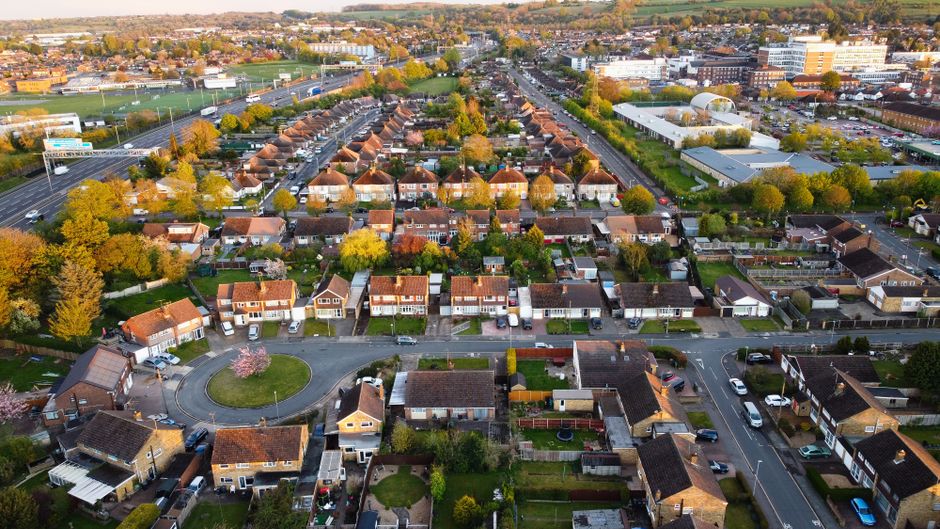
Adding a new bathroom as part of a home extension is a fantastic way to increase your property’s value and improve everyday convenience. Whether you’re extending your interwar semi in Rugby or working on a postwar Midlands home, understanding the true cost of a bathroom add-on can help you budget effectively and avoid nasty surprises.
In this comprehensive guide, I’ll break down the key factors affecting the new bathroom cost extension budgets in 2026, compare single-storey versus two-storey setups, explore regional labour cost advantages like those around Rugby, and touch on planning permission and permitted development — concepts you don’t want to overlook. Plus, I’ll reference useful tools like the HomeOwners Alliance cost of moving calculator and Rugby Borough Council’s lawful development certificate process to keep you informed.
Understanding the Basics: What Goes into a Bathroom Add-On Cost?
When budgeting for a bathroom in your extension, the overall cost depends on various elements including:
- Design complexity and size of the bathroom
- Labour and materials quality
- Underfloor heating, tiling, and plumbing fixtures
- Groundworks and drainage needs
- Utility connections and electrical work
- Building regulations compliance and associated costs
Based on research and recent trade quotes from Midlands builders (including Checkatrade averages), a typical bathroom add-on ranges between £5,500 to £9,000 depending on the finish and supplier. Always start by asking whether the quote includes VAT before discussing design details — a habit that has saved me and many homeowners from confusion.
2026 Extension Costs and Per-Square-Metre Pricing
Nationwide, you can expect new-build extensions in 2026 to average between £1,700 and £2,500 per square metre, influenced by location and complexity. For a bathroom extension, the floor area might be smaller but https://sophiasparklemaids.com/what-questions-should-i-ask-a-builder-before-accepting-an-extension-quote/ finishes can be on the higher side due to plumbing and fixtures.
Location Average Extension Cost per sqm (£) Estimated Bathroom Add-On (£) Rugby & Midlands £1,700 - £2,000 £5,500 - £8,000 London & South East £2,300 - £2,500 £7,500 - £9,000+
The Midlands enjoys a cost advantage primarily due to more affordable labour rates compared to London. Rugby-based builders typically quote 10-15% less on labour and material markups — always a relief when working within tight tight drives and side access routes common in interwar semis.
Single-Storey vs Two-Storey Extensions: Bathroom Cost Tradeoffs
Choosing between single-storey and two-storey extensions has a direct impact on your bathroom costs:
- Single-storey extension with bathroom: Generally simpler plumbing layouts and groundworks reduce price risks. But space might be limited, leading to compact bathrooms that limit luxury fixtures.
- Two-storey extension with bathroom upstairs: More complex structural work and additional plumbing routes can increase cost — often pushing the bathroom add-on budget towards the higher £7,000-£9,000 end. However, more generous bathrooms upstairs also add to resale appeal.
One consistent mental checklist I keep for all bathroom add-ons is to verify if the quote has accounted for potential groundworks surprises such as soil quality, drainage connection points, and any required soakaways. These often derail budgets if ignored at the start.
Planning Permission, Permitted Development, and Conservation Areas
Permitted Development and Bathroom Extensions
Many homeowners mistakenly assume all extensions need full planning permission. For bathrooms within single-storey rear or side extensions, permitted development rights often apply, enabling you to build without formal planning consent.
However, beware:
- Permitted development rules have size limits, typically a maximum of 6 metres for single-storey rear extensions on terraced/semi houses.
- They exclude properties in designated conservation areas or listed buildings.
- You must comply with building regulations regardless of planning allowances.
Rugby Borough Council and Lawful Development Certificates
Given Rugby’s heritage housing stock and several conservation areas, many homeowners opt to apply home extension cost for a Lawful Development Certificate (LDC) to confirm permitted development status. This brings peace of mind by legally documenting that no planning permission is needed.
The LDC application fee is modest and turnaround times around Rugby are typically 4-8 weeks. This process can also clarify whether your bathroom extension design is compliant, potentially saving time and money down the line.
When Planning Permission Is Required
If your bathroom extension forms part of a two-storey addition or is subject to listed building restrictions, you will need full planning permission from Rugby Borough Council. Submission requirements include detailed drawings, site context, and sometimes heritage impact assessments.
Costs related to planning fees (often around £200-£500) and consultant fees should be factored in as part of your overall bathroom add-on budget to avoid underestimating the expense.
Using Tools to Budget and Plan
The HomeOwners Alliance cost of moving calculator is a great complimentary tool for anyone working out whether extending with a new bathroom (and extra bedrooms) makes financial sense — especially compared to moving house. It helps incorporate stamp duty, solicitor fees, and typical renovation costs to show a more holistic picture.
Couple this with a builder who provides detailed stage-based quotes instead of lump sums — something I absolutely insist on — and you’ll get transparency in budgeting and avoid common pitfalls like spending contingency in the first week.

Summary: How Much Extra to Budget for a Bathroom Add-On?
- Expect anywhere from £5,500 to £9,000 for a quality bathroom fitted within an extension.
- Factor in regional labour savings if building in Rugby or the Midlands versus London.
- Choose single-storey extensions for simpler, usually cheaper bathroom installations.
- Check planning permission needs early; consider applying for a lawful development certificate via Rugby Borough Council.
- Demand stage breakdowns in all quotes and clarify whether VAT is included.
- Use tools like the HomeOwners Alliance cost of moving calculator to contextualise your investment.
By staying alert to these factors and working with experienced local trades, you can confidently budget for your new bathroom extension in 2026 without falling into the “it depends” trap.
Got questions about pricing or planning your bathroom add-on? Feel free to drop a comment or reach out—I’m here to help Rugby and Midlands homeowners navigate the often-confusing building process!