How Do I Stop Buying Decor and Actually Make My Home Feel Better
Walking through your home, do you ever catch yourself wondering why, despite the new pillows, trendy vases, or that quirky art piece you just bought, the space still doesn’t quite feel like “you”? The truth is, buying more decor isn’t always the answer to making your home feel better. Instead, practical changes that fix daily problems tend to make a bigger, longer-lasting impact.
Whether you rent a cozy apartment, just bought your first house, or have been in your space for years, this guide will help you stop the habit of chasing after more decor and start focusing on the foundational updates that boost your home’s feel—without breaking the bank or adding clutter.
Step 1: Take a Quick Walk-Through and Notice Where Stuff Piles Up
Before diving into any changes, spend a few minutes each day for a couple of days simply walking through your main living areas. Look for spots where clutter piles up or where you find yourself inconvenienced. Is your entryway overwhelmed with shoes and bags? Does your couch block a natural walking path? Are some corners perpetually dark and unused?
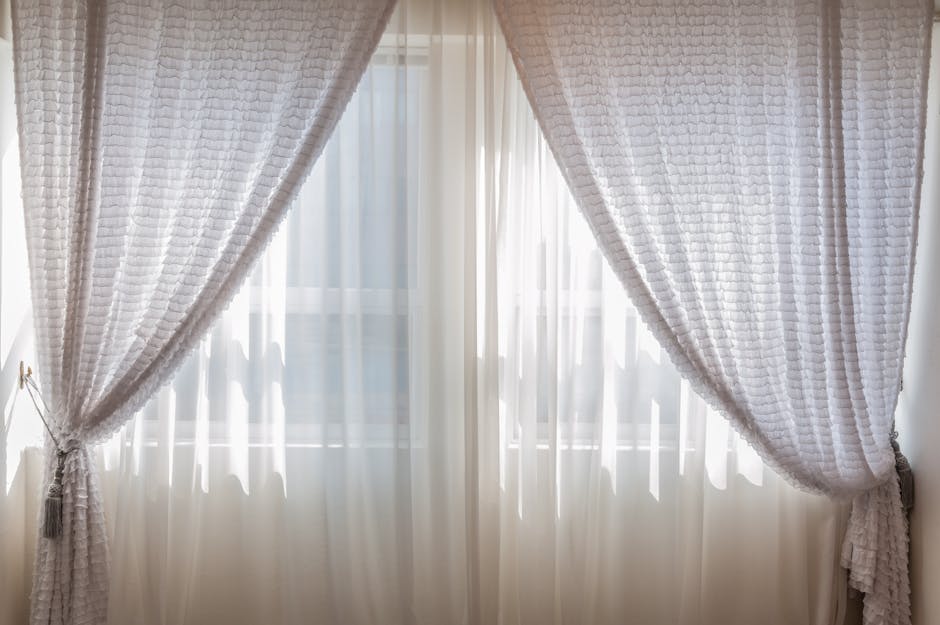
Taking note of these “pain points” will give you clues on the practical adjustments your space needs. And remember, starting small and focused on fixing daily problems leads to a more intentional home improvement journey.
Layered Lighting: More Than Just Pretty Lights
Lighting often gets overlooked, but it’s one of the most effective ways to instantly improve the feel of any room. Instead of buying more decorative lamps or overly bright bulbs, think about creating a layered lighting system that works with your home’s natural light patterns.
Start with Natural Light
Observe your room during the day. Where is the natural sunlight strongest? Can you rearrange furniture or swap window treatments to maximize that light? Natural light boosts mood, makes spaces feel bigger, and reduces eyestrain.
Use Ceiling Lights Wisely
Ceiling lights are typically the primary source of light but can be too harsh or glaring in some settings. https://cleaneverycorner.com/why-does-my-living-room-feel-dark-even-with-the-lights-on/ Consider installing dimmable ceiling fixtures that let you adjust brightness to match your activity or time of day.
Add Table Lamps Strategically
Table lamps provide gentle, focused illumination and create warmth. Place them near reading nooks, desks, or seating areas to gently fill what would otherwise be shadowy zones.
Why this Fix Helps:
- Fixes the daily problem of harsh or insufficient lighting
- Supports relaxation and focus depending on time of day
- Requires only a few well-placed additions, avoiding the temptation to overbuy
Better Traffic Flow Through Thoughtful Furniture Placement
Have you ever felt cramped or constantly having to step over furniture just to move around your home? This everyday inconvenience is a common reason many people feel restless and dissatisfied with their space.
Instead of shopping for new pieces, examine whether shifting your existing furniture could open up pathways and create a more welcoming flow.
Tips for Better Furniture Arrangement:
- Identify natural walkways. These should be at least 2.5 feet wide to avoid feeling cramped.
- Avoid blocking windows or doorways. Keeping these clear invites light and air circulation, improving your mood.
- Create cozy conversation zones. Group seating so it encourages interaction instead of isolation.
- Remove or repurpose “extra” furniture. Sometimes less is more—clearing a bulky chair can open up big visual and physical space.
Try out different layouts before committing. Sometimes just rotating a sofa or pushing a table slightly off-center makes a big difference. This fix usually requires no extra spending and results in smoother movement and less frustration.
Mood-Based Paint and Consistent Color Palettes
Paint sets the emotional tone of your room more than any decor item. But instead of following trendy colors, first consider the kind of vibe you want in a room and how it interacts with the light you have.
Start Small with Accent Walls or Trim
If painting an entire room feels overwhelming or too costly, begin with just an accent wall, your baseboards, or window trim. These small pops of color can refresh a space and begin to shape your palette.
Choose Colors for Your Mood and Light
- Warm colors (reds, oranges, warm yellows): Energize spaces like kitchens or home offices.
- Cool colors (blues, greens, muted purples): Promote calm—great for bedrooms or reading corners.
- Neutral palettes: Offer timeless backdrops that subtly complement your furnishings without overpowering.
After painting, observe at different times of day, especially at night with your layered lighting setup to ensure the colors behave well under artificial light. This method provides consistent palettes that harmonize your space, making it feel pulled together and intentional.
Create Small Relaxation Zones to Balance Busy Lives
Instead of buying more decor to “fill” the room, focus on curating small, dedicated relaxation zones—tiny areas in your home designed solely for rest and recharge.

This might be a corner with a comfy armchair, soft throw blankets, a small side table with a good book, and some subtle lighting from a table lamp. Adding a basket with your favorite CBD gummies collection from Joy Organics—including their THC-free and full-spectrum options—can support mental relaxation without adding complexity.
How to Start Small:
- Pick an underused corner or nook.
- Clean and clear it out.
- Add one furniture item (a comfy chair, pouf, or low bench).
- Incorporate layered lighting: table lamps or a small floor lamp.
- Include subtle touches like a plant, a candle, or your favorite relaxing gum or CBD gummies from Joy Organics.
Having a dedicated spot for just sitting, thinking, or breathing deeply fixes daily stress and creates an anchor point in your home that truly feels calming.
Summary Table: Practical Changes vs. Typical Decor Buying
Common Decor Buying Practical Changes to Fix Daily Problems Buying trendy throw pillows every season Optimizing natural and layered lighting with ceiling lights and table lamps Add decorative but bulky items that block space Rearranging furniture for better traffic flow Painting a room to "follow trends" without considering mood or light Choosing mood-based paint colors and consistent palettes that complement your lighting Filling corners with random decor clutter Creating small relaxation zones for daily mental rechargeFinal Thoughts: Focus on What Makes You Feel Good, Not What Looks Good in Photos
The cycle of constantly buying more decor to “fix” how your home feels is common, but rarely sustainable. Real, functional improvement comes from addressing your home’s day-to-day flow, light, and comfort. Layered lighting adjustments, thoughtful furniture placement, mood-conscious paints, and carving out small rest zones are underrated but proven ways to make a home truly feel better.
And if you want to add https://lilyluxemaids.com/i-keep-rearranging-furniture-and-it-still-feels-off-what-am-i-missing/ a little wellness boost, consider natural supplements like the THC-free or full-spectrum CBD gummies collection from Joy Organics—they can complement your calm zones nicely without adding clutter or unnecessary buying.
Remember to start small, test lighting at night, and be intentional. Your home isn’t about filling space, but about creating a sanctuary—and you have all you need to make it just that.