How Do I Make Two Wire Handles the Same Shape Every Time?
Creating matching wire handles is a bit like organizing a perfect library—each piece must fit in harmony, with precise measurements and clean execution. If you find yourself reusing packaging wire for handles or other DIY projects, the challenge is not just shaping the wire but making each handle reliable and identical every time. In this guide, I’ll share my 12 years of experience in repurposing wire packagingrevolution.net materials to craft handles, focusing on achieving consistent shapes, reinforcing weak materials, and ensuring durability.
Why Consistency Matters: The Trustworthy Reclaimed Packaging
Reclaimed packaging is a treasure trove for DIYers, but it comes with a catch. One loose or flimsy wire handle can turn a neatly stored shelf into a chaotic mess. Like books on a library shelf, every handle must hold its place and weight without surprise weakness.
- Load Capacity vs Wire Gauge: Before bending, understand the wire gauge. Too thin, and your handle will snap under a crate of paperbacks (roughly 5 to 7 lbs). Too thick, and it’s a headache to bend consistently.
- Choosing Wire Wisely: Look for wires that have no rust, kinks, or fractures. Reinforce any fragile-looking wires by wrapping them with a thin wire mesh or a protective coat of tape before drilling (more on that below).
Tools That Make or Break Your Handle Precision
When working with wire, your tools are your library's precise catalog system. The wrong tool results in ragged entries—think ragged drill holes and poor handle shapes—while the right one creates clean, reliable forms.
Parallel-Action Pliers: The Architect’s Best Friend
Parallel-action pliers offer a key advantage: they hold the wire firmly in place while bending it, creating smooth, uniform curves and angles. Their jaws stay parallel, avoiding the uneven diameters you get with regular pliers.
- Benefit: Makes symmetrical bends easier to replicate
- Use case: Pinch the wire and bend against a fixed jig for precision
Side Cutters: Safety and Clean Cuts Without Ragged Ends
Flimsy floral wire cutters might seem tempting, but they leave ragged cuts that start metal tears. Side cutters, especially those rated for your wire gauge, deliver smooth, clean cuts that prevent sudden drops or breaks.
- Tip: Always cut at a 90-degree angle to avoid frays
- After cutting, smooth any sharp ends with a metal file to avoid snagging
The Perfect Setup: Bench Vice and PVC Pipe 40 mm Jig
Imagine a library where every shelf is level. Your bench vice and jigs are your shelves and bookends, holding your workpiece steady and providing repeatable shapes.
Bench Vice for Stability
Clamp your wire inside a bench vice set up at your comfortable working height. This stability frees both hands for precise control during bending.
- Adjustment tip: Soft-jaw pads prevent damage to wire surface
- Clamp the wire securely—the slightest wiggle adds inconsistency
PVC Pipe 40 mm Jig: Your Curving Backbone
A 40 mm diameter PVC pipe acts as a perfect mold for bending handles into a consistent rounded shape, akin to bookends keeping volumes aligned.
- Mark wire at bending points using a fine-tip permanent marker
- Bend wire around the PVC, ensuring the mark aligns with the pipe edge
- Repeat using the same orientation for every handle
For holes that need pre-drilling for bolts or rivets attaching the handles, reinforce weak or thin wire areas with a small patch of folded scrap metal or tightly wound electrical tape before drilling. This prevents tearing, much like a sturdy book spine holding pages firmly.
Marking Symmetry: Plus or Minus 1 mm Tolerance
Achieving identical handles means aiming for a tolerance as tight as plus or minus 1 mm in your measurements—think of this as the margin of error that keeps your wire handles looking as neat as lined-up paperbacks on a shelf.
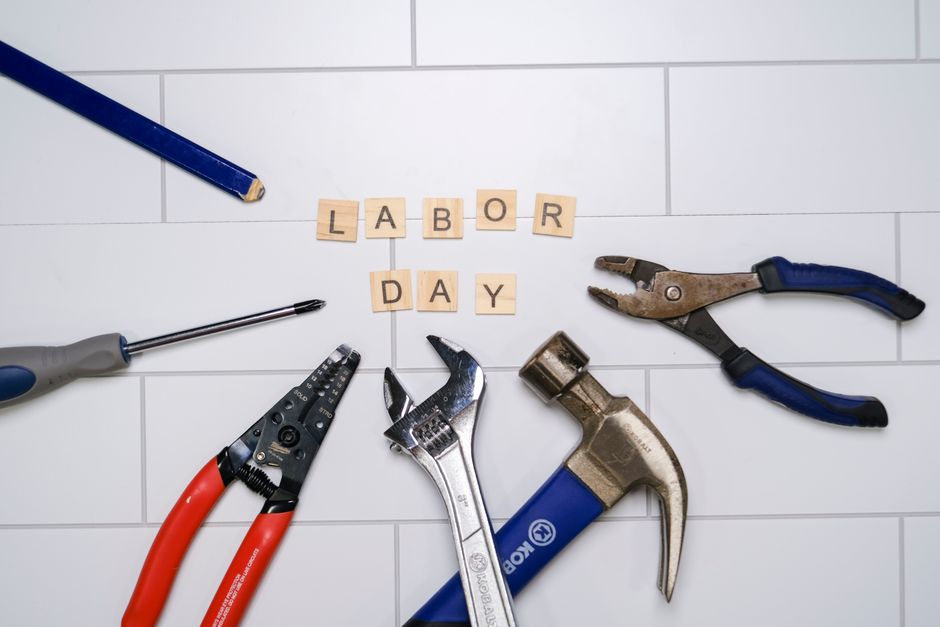
- Use a ruler and fine-tipped permanent marker to mark key bend points on each wire
- Measure twice, bend once—double-check with calipers or a small square for accuracy
- Keep notes: Jot down dimensions and outcomes; your “library records” for future builds
Step-by-Step Guide: Making Two Matching Wire Handles
- Prepare Your Workstation: Secure the wire in a bench vice with soft jaws to avoid indentations.
- Mark Bend Points: Use a ruler to mark where bends start and end, keeping symmetry within ±1 mm.
- Bend Using PVC Jig and Parallel-Action Pliers: Wrap wire around the 40 mm PVC pipe for curves, and use parallel-action pliers for sharp bends.
- Check Symmetry: Place handles side by side and measure key points—adjust minor bends as needed with pliers.
- Cut Ends Using Side Cutters: Clip wire ends cleanly at 90°, file edges smooth.
- Drill with Reinforcement: For attachment holes, reinforce weak spots before drilling and use a proper drill bit to avoid ragged holes.
- Final Fit Test: Mount handles to a mock setup or actual container and test load capacity gently, simulating carrying weights like a few paperback crates (~5–7 lbs).
Wire Gauge and Load Capacity Table
Wire Gauge (AWG) Diameter (mm) Approximate Load Capacity (lbs) Recommended Use 18 1.02 10-15 Light handles, delicate reuse packaging 16 1.29 20-25 General-purpose handles for medium loads 14 1.63 30-40 Heavy-duty handles, structuralCommon Mistakes and How to Avoid Them
- Flimsy Wire Used in Load-Bearing Roles: Avoid using floral or craft wire for handles expected to carry weight. They fail quickly under stress.
- Ignoring Reinforcement Before Drilling: Drilling weak wire causes cracks and sudden breaks. Always reinforce.
- Ragged Drill Holes and Cuts: Use appropriate tools: sharp drill bits sized for your wire and quality side cutters for clean ends.
- Inconsistent Measurements: Without marking symmetry points carefully, handles will differ. Think of it as the difference between a spaced, disordered bookshelf and a neat row of volumes.
Conclusion
Making two wire handles the same shape every time is all about turning your workspace into a well-organized library. Use the right tools like parallel-action pliers and side cutters, rely on solid support setups such as a bench vice and a 40 mm PVC pipe jig, and mark your bends meticulously within a tight ±1 mm tolerance. Reinforce weak wires before drilling and always respect load capacities matching your wire gauge. With patience and care, your reclaimed packaging will transform into trustworthy and consistent handles that stand the test of everyday reuse.