Do I Need a Vacuum Pump for Zone Air or MRCOOL DIY Systems?
When homeowners and DIY enthusiasts start exploring mini splits as a solution for efficient heating and cooling, the question of whether you need a vacuum pump often pops up — especially with brands that promote “no vacuum pump needed” installations like Zone Air and MRCOOL. Add Pioneer into the mix, and the landscape of options becomes wider and a bit confusing. I’ve spent nearly a decade reviewing home systems where mechanical choices significantly affect not only comfort and utility bills but how the indoor aesthetic holds up—and that includes the subtle but important nuances like line set placement and head location. So let’s unpack whether you really need a vacuum pump for these systems, what “true DIY” really means, and how your choices in system setup ripple into your home's decor and maintenance.
True DIY Mini Split vs. Not-Quite-DIY
Brands like Zone Air and MRCOOL shout from the rooftops about pre-evacuated systems and “no vacuum pump mini split” install ease, often targeting the ambitious homeowner or small contractor who wants to avoid calling in HVAC pros. But here’s the catch:
- MRCOOL DIY Series indeed uses pre-charged refrigerant lines that connect via quick connect fittings, which are designed to eliminate the need for a vacuum pump during installation.
- Zone Air’s Build Your Own tool
The excitement around this advancement is well deserved – cutting out the vacuum pump step makes the install more approachable. But is it true DIY?
The answer depends on a few factors:
- Local Electrical and Refrigerant Handling Codes. Even with no vacuum pump needed, any connection involving refrigerant lines, coils, and electrical hookup often still legally requires a licensed technician's involvement. Skirting this can lead to code violations and safety risks.
- Line Set Connections and Leak Risks. Quick connect fittings are great, but they require careful alignment and torque to avoid leaks — especially if you have to extend or coil line sets behind trim or outside walls.
- Mixing Air Handler Types. Zone Air’s system lets you combine wall mounts, floor consoles, and ceiling cassettes on a single condenser — a must for complex layouts. These all affect line length and pipe routing, meaning you must strategize line placement ahead of time to reduce stress points and maintain clean aesthetics.
In other words, skipping a vacuum pump doesn’t mean skipping the planning or skill needed for a safe, clean, leak-free installation. Don’t be seduced by “no vacuum pump” marketing without appreciating the nuances.
Aesthetics and Placement as Decor Decisions
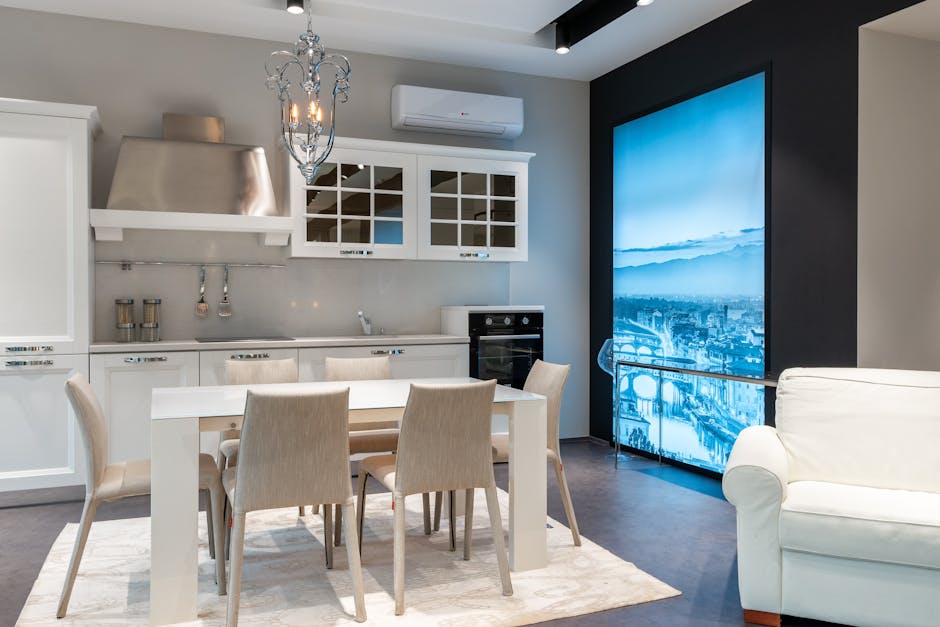
Let me get real: the mechanical side matters, but how your mini split looks and fits into your space matters just as much. Even the best system seER2 24 mini split ruins a room if it’s installed like an afterthought. Here are some points I help my friends consider when planning:
- Hang your indoor head like art.
- Think about line hide visibility—especially from patios or exterior spots.
- Preserve original style or gallery walls.
Brands like Zone Air and Pioneer provide multiple air handlers styles, which can help blend a heating/cooling solution seamlessly with your existing architecture and decor themes. Taking the extra time here yields a better look and better resale.
Line Set Strategy and Leak Risk
One big thing glossed over in most DIY mini split marketing is proper line set planning. Remember, your line set carries refrigerant under pressure. When you hear “no vacuum pump required,” that usually means the line set comes pre-evacuated and pre-charged from the factory. But what if you need additional length, or have to snake it around tricky corners?
Here’s what you must know:

- Extending line sets.does require vacuuming the system post-connection to avoid introducing moisture and air.
- Coiling line sets.
- Use Quick Connect Fittings thoughtfully.
- Bleeding and pressure testing.
Mixing Air Handler Types on One Condenser: Practical and Aesthetic Benefits
A huge advantage of Zone Air’s Build Your Own tool is the ability to mix and match indoor head units: wall mounts, floor consoles, cassette units, even ducted options can all share a single condenser optimized for multiple zones. But this versatility comes with caveats:
- Line length balancing.
- Electrical zoning and controls.
- Visual cohesion.
Summary: When You Can (and Can’t) Skip the Vacuum Pump
Scenario Vacuum Pump Needed? Key Considerations Installing MRCOOL DIY Pre-Charged Line Set (Uncut) No Follow quick connect instructions carefully. Ensure no line modifications or extensions. Using Zone Air’s Pre-Evacuated Line Sets Without Modification No Ensure fittings are torqued properly; maintain clean line routing to preserve aesthetics. Extending or Modifying Line Sets Yes Requires flaring/brazing tools and vacuum pump. Leak test with nitrogen recommended. Mixing Multiple Air Handler Types on One Condenser Depends Depends on whether line sets are precharged and sealed or modified on site. DIY Electrical Hookup Without Licensed Technician Varies By Code Generally discouraged; may void warranty or violate local codes.Final Thoughts: Setting Up Your Mini Split Like a Home Design Pro
Take advantage of tools like the Zone Air Build Your Own tool to plan out your exact system before you buy. Test indoor head placement using cardboard cutouts to preserve your interior style while meeting function. Strategize your line set routing carefully — know where lines hide to avoid visual clutter from the patio or garden. And don’t underestimate the importance of professional inspection or licensed HVAC support when handling refrigerants and electrical connections.
“True DIY mini split” is absolutely possible today, but only if you respect the nuances of system mechanics, local codes, and aesthetics that elevate your home, not degrade it. Whether using pre-evacuated systems from MRCOOL or modular multi-head setups from Zone Air, your success depends on planning and precision — and sometimes, knowing when to call in the pros.
Happy cooling and heating!